
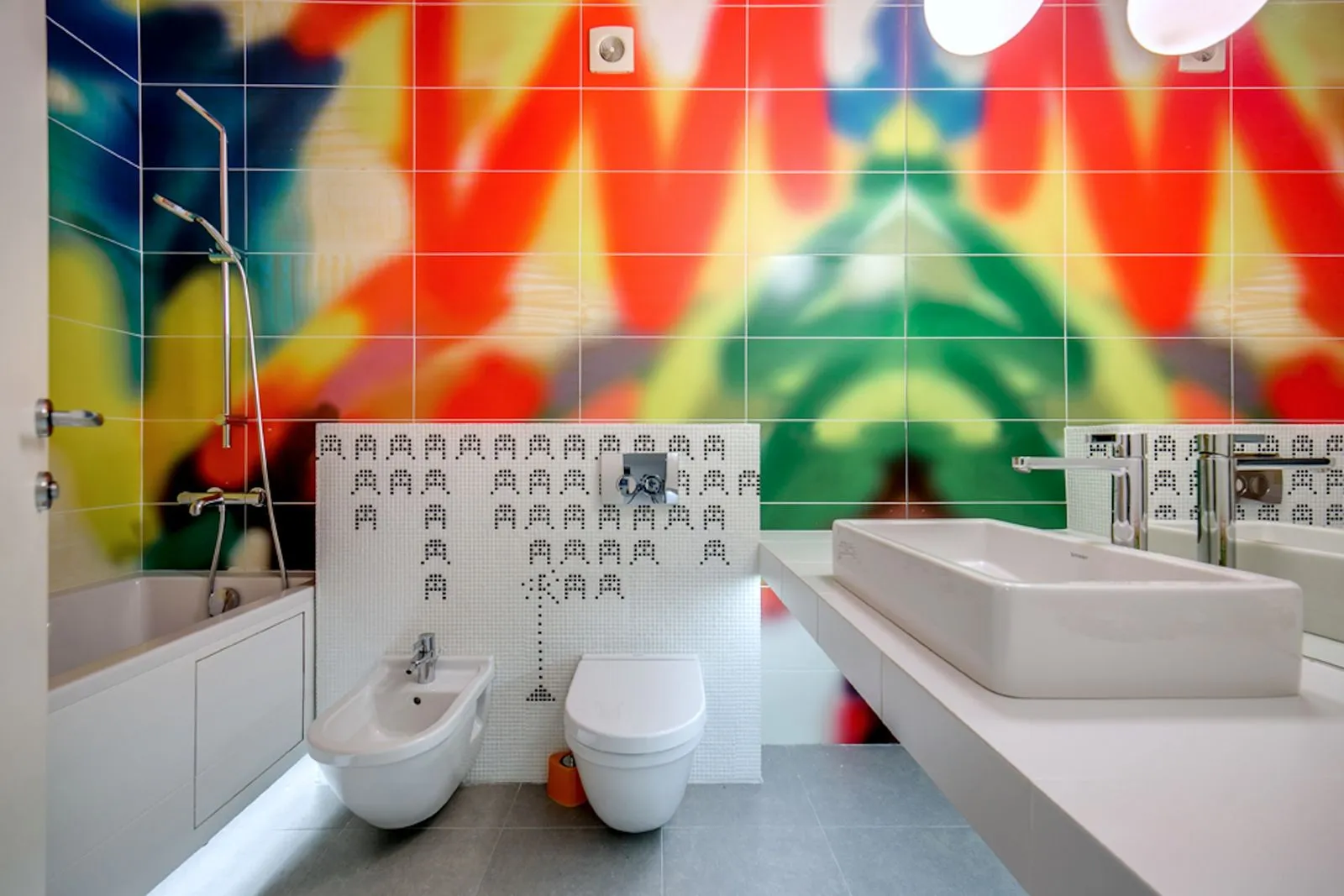
Mosaic tile can bring color, texture, and detail to a bathroom, but the right choice depends on where it will go. A wall behind a vanity has different needs from a shower floor that stays wet and must provide secure footing. Compare each tile’s material, surface, size, and grout before choosing a design. This guide covers the practical points to check so your bathroom looks cohesive and works well for everyday use.
Choose Materials for Each Surface
Ceramic and porcelain mosaics are practical options for many bathroom walls and floors. Porcelain is dense and has low water absorption, making it a strong candidate for wet areas when the product is rated for the intended use. Ceramic often offers a wide range of colors and finishes. Check the manufacturer’s guidance for slip resistance, cleaning, and suitability rather than assuming every tile in a material category performs the same way.
Glass mosaics reflect light and can add depth to a shower feature or backsplash, but some products may show marks or require specific setting materials. Natural stone brings variation and a tactile look, though it may need sealing and gentler cleaning. Before choosing stone, ask about ongoing care and whether the tile’s finish is suitable for its location. Always confirm that the tile and installation system are appropriate for a bathroom’s wet conditions.
Match Color to Light and Use
Look at tile samples in the bathroom’s actual lighting. Daylight, warm bulbs, and cooler LEDs can change how a color appears, while glossy surfaces reflect more light than matte ones. Hold samples beside the vanity, paint, and plumbing finishes, and view them at different times of day. A small sample board can also help you see how individual pieces blend once several tiles sit together.
Light colors can make a compact room feel brighter, while darker colors can add contrast and define a feature area. Neither is automatically easier to maintain: pale grout may show discoloration, and dark tile can reveal soap residue or mineral marks. Consider where splashes land and how often you want to clean. If using a bold mosaic, balance it with simpler surrounding surfaces so the pattern remains a considered detail.
Select a Size and Pattern
Mosaic sheets contain many small pieces, but the individual tile size still affects the room’s appearance and practical performance. Smaller pieces create more grout joints, which can help a floor follow a gentle slope toward a drain. The tile surface and its tested slip characteristics remain important, so do not use piece size alone to judge floor safety. Confirm that the chosen product is recommended for the specific floor or shower application.
Larger mosaic pieces can create a calmer, less detailed look, while tiny pieces make curved niches and rounded surfaces easier to cover. Sheet layouts can vary, so inspect several sheets together before ordering and check how the edges align. Plan the pattern around corners, drains, niches, and fixtures. A dry layout helps identify awkward cuts and lets you decide where the most visible parts of the design should fall.
Choose Grout and Plan Care
Grout color changes how a mosaic reads. A close match softens the grid and lets the overall color dominate; a contrasting shade emphasizes each tile and the pattern. Test grout samples beside the tile before settling on a color, because wet surfaces and bathroom lighting can affect your impression. Ask your installer which grout type suits the tile, joint width, and exposure, especially for showers and other frequently wet areas.
Mosaics have many joints, so choose a grout and cleaning routine you can maintain. Follow product instructions for curing, sealing where required, and everyday cleaning; avoid harsh cleaners unless the tile and grout makers approve them. Stone may need different care from porcelain or glass. Keep spare tiles and record the product details, since matching a specific blend later can be difficult.
Choose bathroom mosaics by balancing appearance with the demands of each surface. Check product ratings, compare samples in your own lighting, plan the layout, and select grout with upkeep in mind. If you are weighing options for a bathroom in Bristol, Bristol Mosaic Works can help you discuss materials and installation choices.